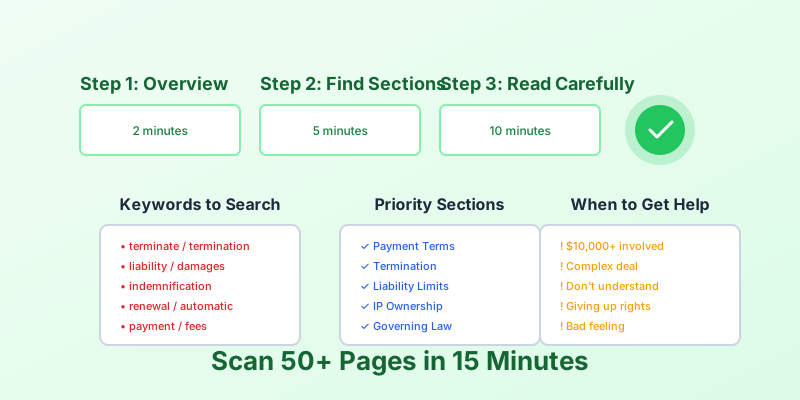
What to Do When the Contract Is 50+ Pages (Without Reading Every Word)
The Reality: Nobody Reads Everything
You're staring at an 87-page contract. It's 5 PM on a Friday. You need to sign before the vendor closes. The thought of reading through all those pages makes your head spin.
Here's the uncomfortable truth: most lawyers don't read every word of every contract either. They know how to find what matters quickly.
This isn't about being lazy—it's about being strategic. Here's how the professionals do it.
According to the American Bar Association, the average business contract has grown 400% in length over the past three decades. The Federal Trade Commission reports that most consumers spend less than 30 seconds reviewing terms before clicking "I agree." There's a better way.
The Strategic Scanning Method
First: The 2-Minute Overview
Before diving in, get the lay of the land:
This gives you context before you start reading. You'll understand what type of agreement it is and who the players are.
Second: Find Your Priority Sections
Not all sections are equal. Here's what to look for based on what you're trying to protect:
If you're worried about money:
If you're worried about getting stuck:
If you're worried about liability:
If you're worried about your work:
Third: Read Those Sections Carefully
Now that you know where to look, actually read those sections. Carefully.
Don't just skim—make sure you understand:
Contract Review Process Flow
Follow this step-by-step process for efficient long contract review:
Step 1: Quick Overview (2 min)
Step 2: Priority Search (5 min)
Step 3: Deep Dive (10-20 min)
Step 4: Decision Point
The Fast-Find Technique
Here's a practical scanning method that works:
This 2-minute exercise will reveal 80% of the important stuff.
What If You Find Something Concerning?
You've scanned, found an issue, and now you're worried. Here's what to do:
1. Don't Panic (Yet)
Many concerning clauses are more scary in appearance than in practice. A lawyer might tell you "that's standard" or "here's how it actually works."
2. Identify the Specific Concern
What exactly bothers you about this clause? Can you articulate it clearly? This helps when asking questions.
3. Ask the Right Questions
Instead of "Is this normal?" try:
Most vendors expect these questions and have answers prepared.
4. Know Your Leverage
Your ability to negotiate depends on:
A huge client negotiating a major contract has more pull than someone rushing to sign before a deadline.
When Scanning Isn't Enough
You should definitely do more than scan when:
In these cases, the cost of a lawyer's review is money well spent. The Legal Services Corporation provides resources for finding affordable legal assistance.
The Professional Secret: Redline Reviews
Here's what sophisticated business people do:
This approach balances thoroughness with efficiency. You get protection where it counts, without spending days on legal documents.
A Real Example
Let me show you how this works in practice:
Marcus, a small business owner, received a 65-page vendor agreement for a marketing automation platform he planned to use for $15,000/year.
Using the scanning method:
He identified three major concerns and emailed the vendor asking about each.
The result:
Total time invested: about 30 minutes of scanning + 10 minutes of email.
Money saved: potentially thousands in unnecessary fees.
Your Quick-Reference Checklist
Before signing any large contract:
If you can confidently check all these boxes, you're in good shape—even if you haven't read every single page.
Frequently Asked Questions
How long should it take to review a 50-page contract?
Using the strategic scanning method outlined above, you can identify key issues in 15-30 minutes. For a thorough review of all priority sections, plan for 45-60 minutes. If the contract involves significant money or complex terms, consider professional legal review.
What if I don't have time to review the contract at all?
Never sign a contract you haven't at least scanned for key terms. If time is truly critical, use the Fast-Find Technique to search for the 8 high-priority terms listed above. This takes less than 5 minutes and will reveal most major issues.
Can I negotiate changes after signing?
Generally, no. Once you sign, you're bound by the terms. Some contracts include a short "cooling off" period, but this is rare in business contracts. Always negotiate before signing. Read our guide on dangerous contract clauses to understand what to negotiate.
What's the most important section in a long contract?
The most critical sections vary by contract type, but termination clauses and liability provisions are universally important. These determine your exit options and financial exposure. Always review these sections carefully.
Should I use AI to help review long contracts?
AI tools can be helpful for initial screening and identifying key terms quickly. They're particularly useful for long contracts where manual scanning is time-consuming. However, AI should supplement—not replace—your own review and judgment. Learn more in our AI vs Lawyer comparison.
What if the other party refuses to negotiate?
You have two choices: accept the terms as-is or walk away. If the contract contains deal-breaker clauses and they won't negotiate, walking away is often the right decision. The cost of a bad contract usually exceeds the cost of finding an alternative vendor.
The Bottom Line
You don't need to read every word of every contract. You need to understand the parts that matter—and make sure those parts work for you.
The method above won't catch everything. But it will help you identify the vast majority of issues that trip up people who sign without looking.
Want to learn about the most dangerous clauses to watch out for? Read our comprehensive guide: 7 Contract Clauses That Could Cost You Thousands (And How to Spot Them). Need to understand how to read contracts efficiently? Check out our practical guide to reading contracts.
Your time is valuable. Spend it strategically.
This article was reviewed by legal professionals and references guidelines from the American Bar Association and Federal Trade Commission. Last updated: March 2026.
Disclaimer: This guide is for educational purposes only and does not constitute legal advice. For specific legal questions, please consult a qualified attorney.